Source Gas Heating Outdoor Tandoor for Commercial Patios
Find and compare 30 gas heating outdoor tandoor models from Chinese manufacturers. Options include stainless steel and powder-coated steel units with adjustable thermostats, tip-over protection, and variable heat outputs ranging from 9K to 42K BTUs for reliable outdoor cooking.
Key considerations
Products List
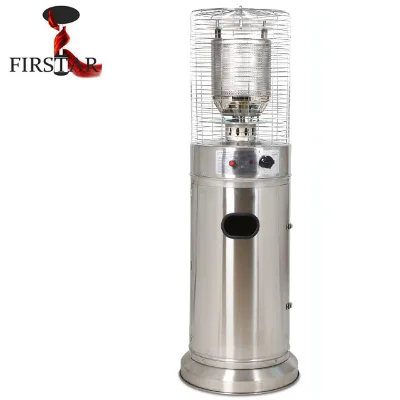
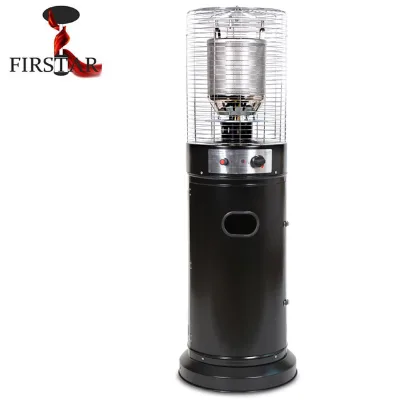


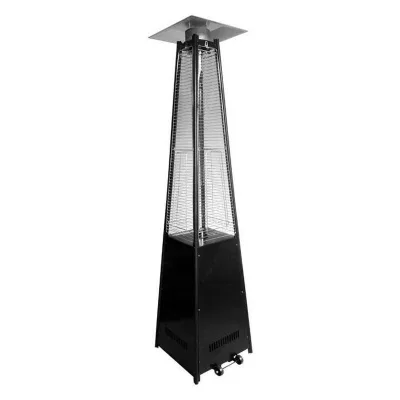
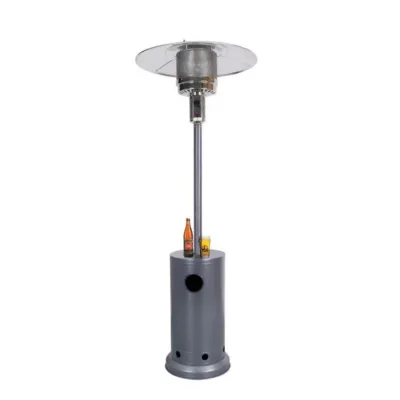
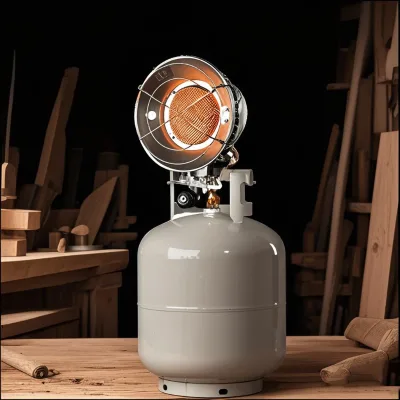


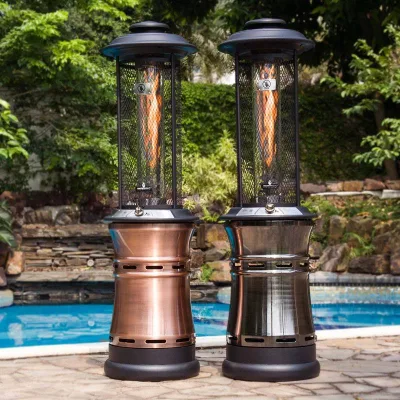

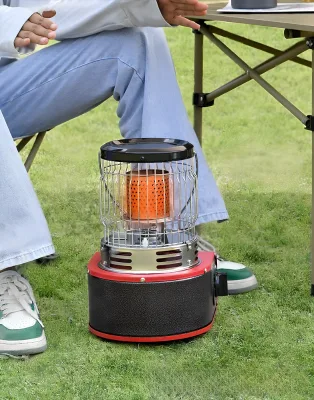
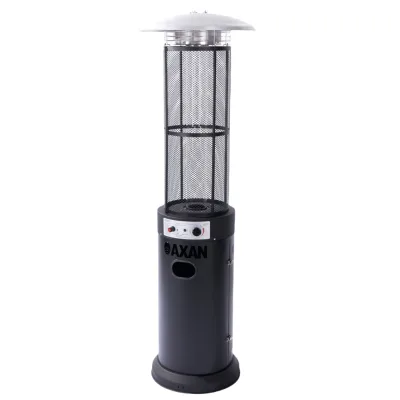
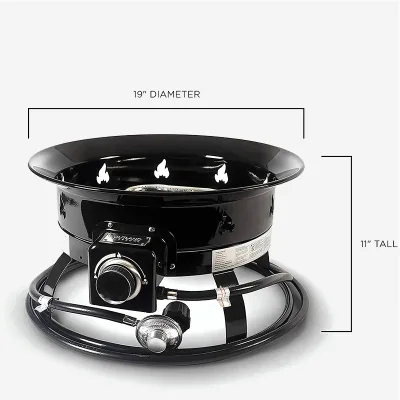
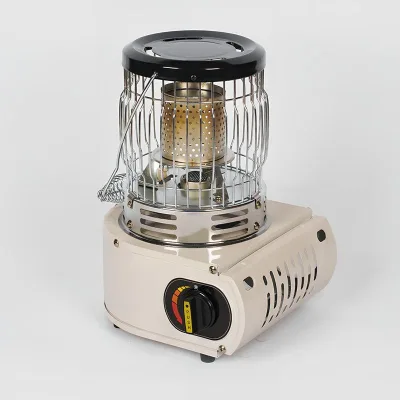


Comprehensive Sourcing Guide
Gas Heating Outdoor Tandoor Sourcing Guide
The global market for gas heating outdoor tandoors has evolved to meet the specific demands of commercial hospitality and large-scale residential gardens. These units are engineered primarily for outdoor and commercial applications, serving as versatile cooking and heating solutions that combine traditional tandoor functionality with modern gas efficiency. Buyers in this sector must recognize that these products are distinct from indoor appliances, designed specifically for environments where ventilation is managed externally and weather resistance is a primary requirement. The core utility lies in their ability to provide high-heat cooking capabilities while simultaneously acting as a radiant heat source for outdoor dining areas, making them a dual-purpose asset for restaurants, event venues, and private estates.
Procurement strategies for these units must account for the specific operational constraints of gas-powered equipment. The observed product landscape indicates a strong reliance on propane as the primary fuel source, with variable heat outputs ranging significantly to accommodate different cooking volumes and heating areas. Buyers should note that these units are typically freestanding and portable, allowing for flexible placement in outdoor kitchens or patio settings. However, the lack of app-controlled features in the current market segment suggests that operation relies on manual controls, specifically adjustable thermostats and mechanical safety switches, which requires staff training to ensure consistent performance and safety compliance.
Product Scope and Observed Listing Signals
When evaluating product listings, buyers must distinguish between the various capacity tiers available in the market, as the heat output and coverage area vary drastically between models. The observed data reveals a clear segmentation where smaller units offer variable heat outputs between 9,000 and 15,000 BTUs, suitable for heating areas up to 378 square feet, while larger commercial models can reach outputs of 30,000 to 42,000 BTUs, covering areas exceeding 1,000 square feet. This variation is critical for procurement planning, as selecting a unit with insufficient heat output for a specific venue size will lead to operational inefficiencies, whereas an oversized unit may present unnecessary fuel consumption and safety risks.
Material composition and construction quality are the next critical signals to verify when reviewing product specifications. The market consistently features units constructed from stainless steel or powder-coated steel, with some high-temperature variants utilizing galvanized steel and high-temp glass. These materials are selected for their durability against the elements and their ability to withstand the extreme temperatures required for tandoor cooking. Buyers should scrutinize the finish details, noting that while stainless steel offers a premium look, powder-coated options provide a cost-effective alternative that still meets the requirement for weather resistance. The presence of a 20lb tank capacity in some models indicates a specific design for portability, whereas others may require custom tank integration, necessitating a clear understanding of the fuel logistics before purchase.
Technical Specifications to Verify
The thermal performance of a gas heating outdoor tandoor is defined by its flux rate and power output, which directly impact cooking speed and heating efficiency. Verified specifications indicate a flux range of 450 to 945 grams per hour, paired with power ratings between 5,000 and 13,000 watts, depending on the specific model configuration. These figures are not merely marketing claims but operational parameters that determine how quickly the unit can reach cooking temperatures and how effectively it can maintain them. Procurement teams must ensure that the selected unit's power rating aligns with the gas supply infrastructure available at the installation site, as exceeding the capacity of the gas line can lead to pressure drops and unsafe operating conditions.
Safety and control mechanisms are equally vital technical specifications that must be verified before finalizing a purchase. The standard feature set for these units includes adjustable thermostats, overheat protection, and tip-over protection, all of which are essential for preventing accidents in high-traffic outdoor environments. Additionally, the units are designed to be waterproof, a crucial specification for outdoor equipment exposed to rain and humidity. Buyers should confirm that the installation method is strictly freestanding and portable, as these units are not designed for permanent built-in integration without specific structural modifications. The total height of approximately 1,350mm and the single package dimensions of 46x46x88 cm are also key logistical data points that affect shipping costs and on-site placement feasibility.
Compliance and Safety Documentation
Safety certification is a non-negotiable aspect of sourcing gas heating equipment, particularly for commercial applications where liability and regulatory compliance are paramount. The market data confirms the availability of units with CSA certification, a standard that validates the product meets specific safety requirements for gas appliances. Buyers must request and verify this certification documentation for every unit in their order, ensuring that the specific model number matches the certified batch. Relying on uncertified units poses significant risks, including potential fire hazards and the inability to obtain insurance coverage for the business premises where the equipment is installed.
Ventilation and fuel handling protocols are additional compliance areas that require strict adherence to local regulations and manufacturer guidelines. These outdoor tandoors are designed for use without ventilation systems, relying on open-air environments to dissipate combustion byproducts. However, this design feature necessitates that the installation site is strictly outdoors and free from enclosed structures that could trap carbon monoxide. Buyers must also verify the gas type compatibility, as the units are specifically engineered for propane or LPG. Ensuring that the fuel supply matches the unit's design is critical, as using an incompatible fuel source can damage the burner assembly and void any warranty coverage provided by the manufacturer.
Cost Drivers and Commercial Terms
The pricing structure for gas heating outdoor tandoors is influenced by a combination of material costs, heat output capacity, and customization options. The observed price range spans from approximately $7.52 to $3,250, reflecting the vast difference between basic portable units and high-capacity commercial models. The cost is heavily driven by the choice of material, with stainless steel units commanding a premium over powder-coated steel alternatives. Furthermore, the availability of private molds and customization services can significantly increase the unit price, as these features require additional tooling and production time. Buyers must balance their budget constraints against the need for durability and specific branding requirements.
Minimum Order Quantities (MOQ) and supply chain logistics are the primary commercial terms that affect the total cost of ownership. The market shows an MOQ range from 1 to 2,000 pieces, offering flexibility for small businesses while accommodating large-scale procurement for chains or distributors. The supply ability of manufacturers, often cited as 20,000 pieces per month, suggests a robust production capacity, but lead times can vary based on order volume and customization needs. Packaging details, such as brown export cartons with one piece per carton, and the single gross weight of 15 kg per unit, are critical for calculating freight costs. Buyers should also consider the port of dispatch, which is typically Shanghai, Ningbo, or Guangzhou, as these locations impact shipping routes and import duties.
Supplier Qualification and Quality Control
Supplier qualification for gas heating outdoor tandoors requires a rigorous assessment of their manufacturing capabilities and quality assurance processes. The majority of suppliers are located in China, with specific production hubs in Jiangsu, indicating a concentrated manufacturing base that offers economies of scale. Buyers should verify the supplier's ability to provide free spare parts as part of their after-sales service, a key indicator of their commitment to long-term product support. Additionally, the presence of a one-year warranty on the units serves as a baseline expectation for product reliability, and suppliers should be willing to provide clear terms regarding warranty claims and replacement procedures.
Quality control measures must extend beyond the final inspection to include material verification and functional testing. Buyers should insist on documentation that confirms the material composition, ensuring that the steel or stainless steel used meets the specified standards for high-temperature resistance and corrosion protection. The production of units with specific model numbers, such as FSD-D, TT15, and TT30, suggests a standardized manufacturing process, but buyers must verify that each batch undergoes consistent testing for safety features like tip-over protection and overheat safeguards. Establishing a clear communication channel with the supplier regarding quality issues and response times is essential for maintaining operational continuity in a commercial setting.
Long-Term Procurement Checks
Sustaining a successful procurement relationship for gas heating outdoor tandoors requires ongoing monitoring of product performance and supplier reliability. Buyers should establish a schedule for regular maintenance checks, leveraging the availability of free spare parts to minimize downtime. The adjustable thermostat and lighting features, while convenient, require periodic inspection to ensure they remain functional and safe over time. Regular checks of the gas connections and the integrity of the waterproof seals are necessary to prevent leaks and ensure the unit continues to operate safely in outdoor conditions.
Future-proofing the procurement strategy involves staying informed about potential updates to safety standards and fuel efficiency requirements. As the market evolves, suppliers may introduce new models with enhanced features or improved materials, and buyers should remain open to upgrading their fleet to maintain competitive advantage. The ability to customize units with private molds offers a strategic advantage for branding, but buyers must ensure that these customizations do not compromise the core safety and performance specifications. By maintaining a proactive approach to supplier management and product maintenance, businesses can ensure their outdoor heating and cooking operations remain efficient, safe, and compliant with all relevant regulations.
FAQs
What is the power range for these gas heating outdoor tandoors?
The power output ranges from 5000W to 13000W across different models. This range supports variable heat outputs from 9K to 42K BTUs, allowing users to adjust cooking intensity. The units are designed for efficient gas consumption while providing sufficient thermal energy for outdoor culinary applications.
Can these tandoors be used without ventilation?
Yes, the units are designed for freestanding installation without requiring external ventilation systems. They feature tip-over protection and overheat protection mechanisms to ensure safe operation in open outdoor environments. This design simplifies placement in gardens or commercial patios without complex ducting requirements.
What certifications are available for these gas heating outdoor tandoors?
Certified models include CSA certification, ensuring compliance with safety standards for gas appliances. Buyers should verify specific model numbers like ZoBoTT15 for documented certification status. This verification is crucial for commercial installations or regions requiring strict regulatory adherence for gas-powered heating equipment.
What is the warranty and after-sales support provided?
The products come with a one-year warranty and provide free spare parts for after-sales service. This support structure helps maintain long-term operational reliability for both commercial and garden use. Buyers can rely on accessible replacement components to minimize downtime during the warranty period and beyond.
What materials are used in the construction of these tandoors?
Construction materials include stainless steel, powder-coated steel, and galvanized steel with high-temperature glass components. These materials ensure durability against outdoor weather conditions and high heat exposure. The choice of material affects the unit's color options, which include black, grey, white, or natural steel finishes.
What is the monthly supply capacity for these units?
The supply ability is 20,000 pieces per month, supporting large-scale procurement needs. This capacity ensures consistent availability for commercial buyers or distributors requiring bulk orders. The production capability aligns with the observed MOQ range of 1 to 2000 units, facilitating flexible purchasing strategies.